
Wildlife Tree Habitats & Why They Matter
Wildlife Tree Habitats Explained
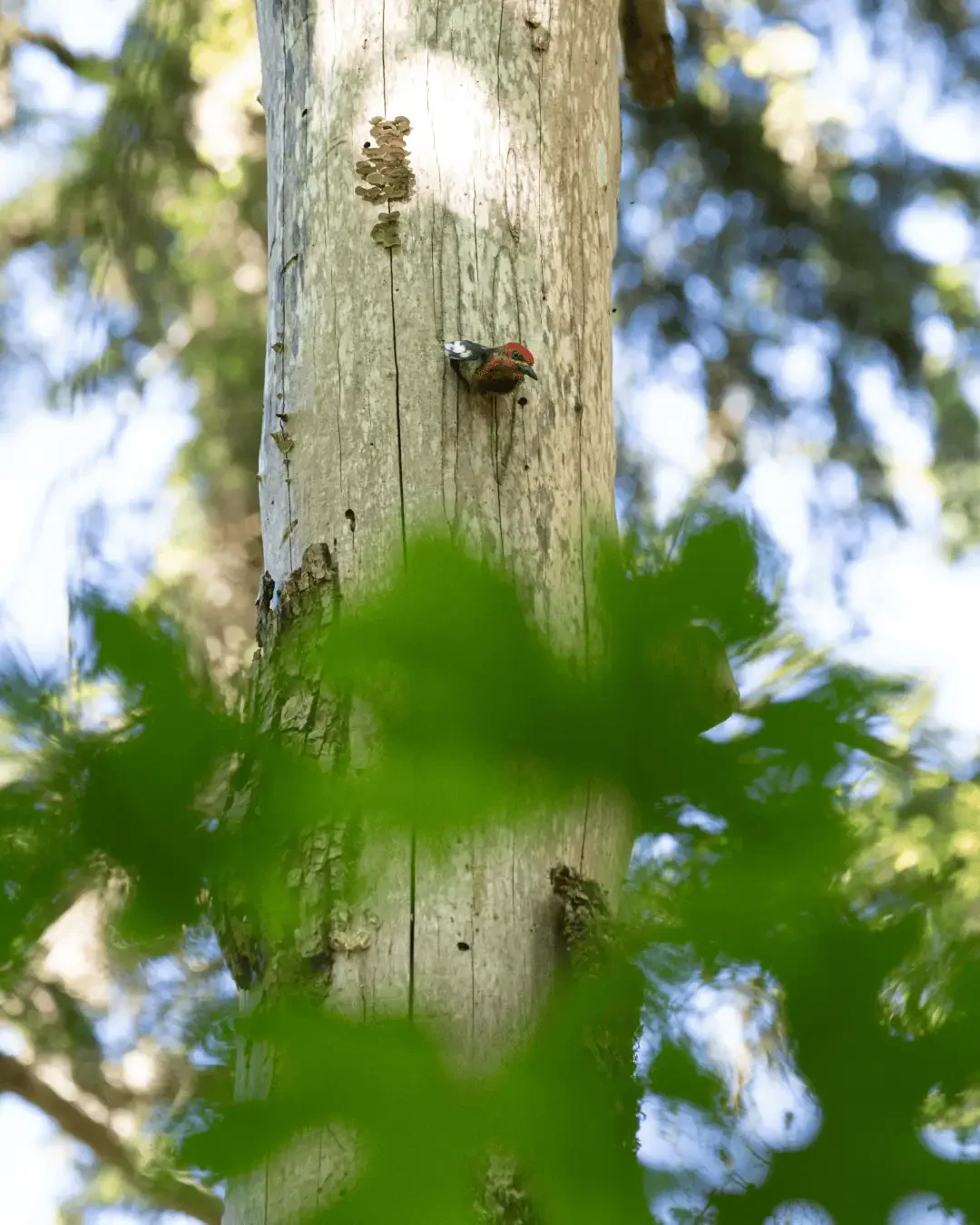
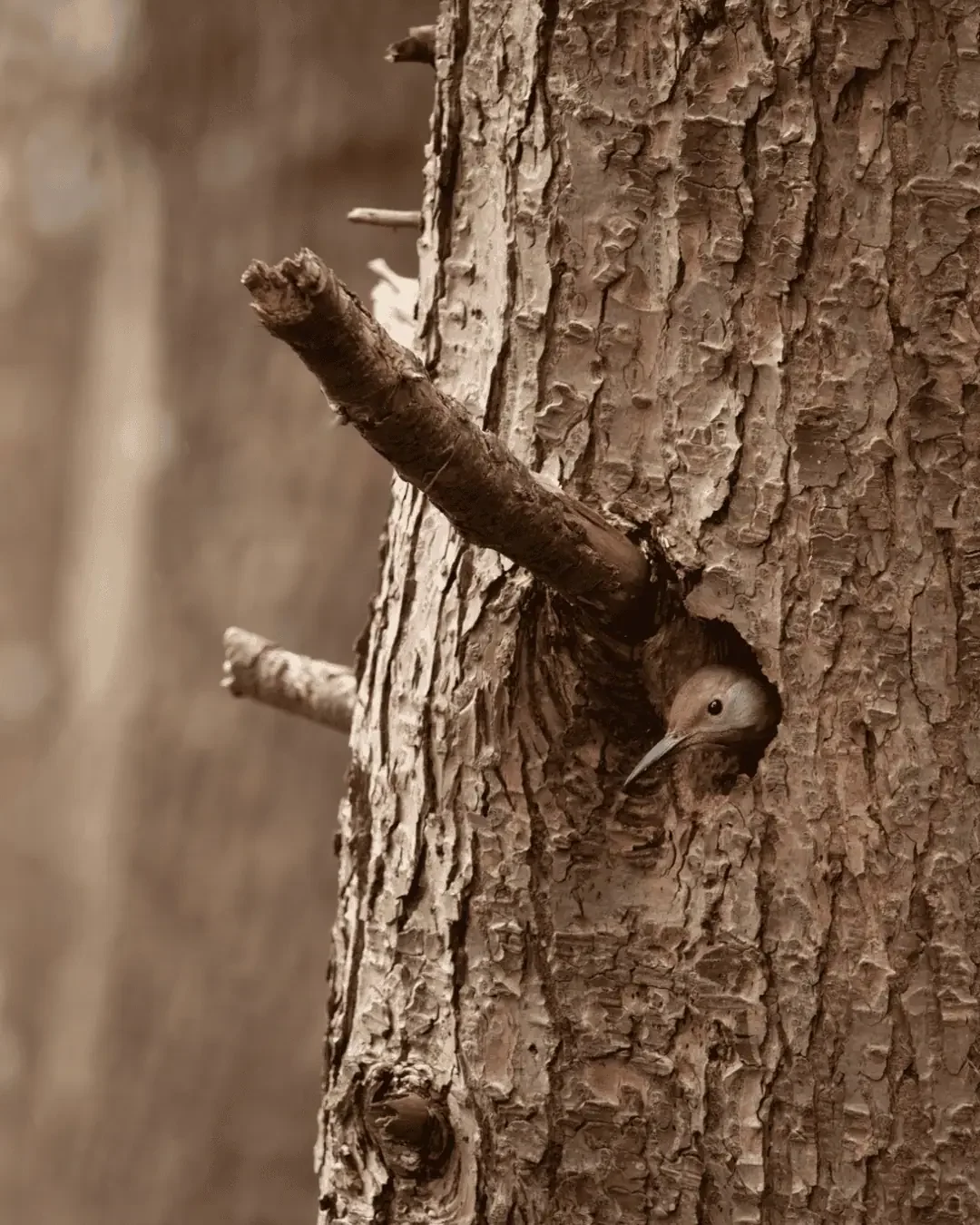
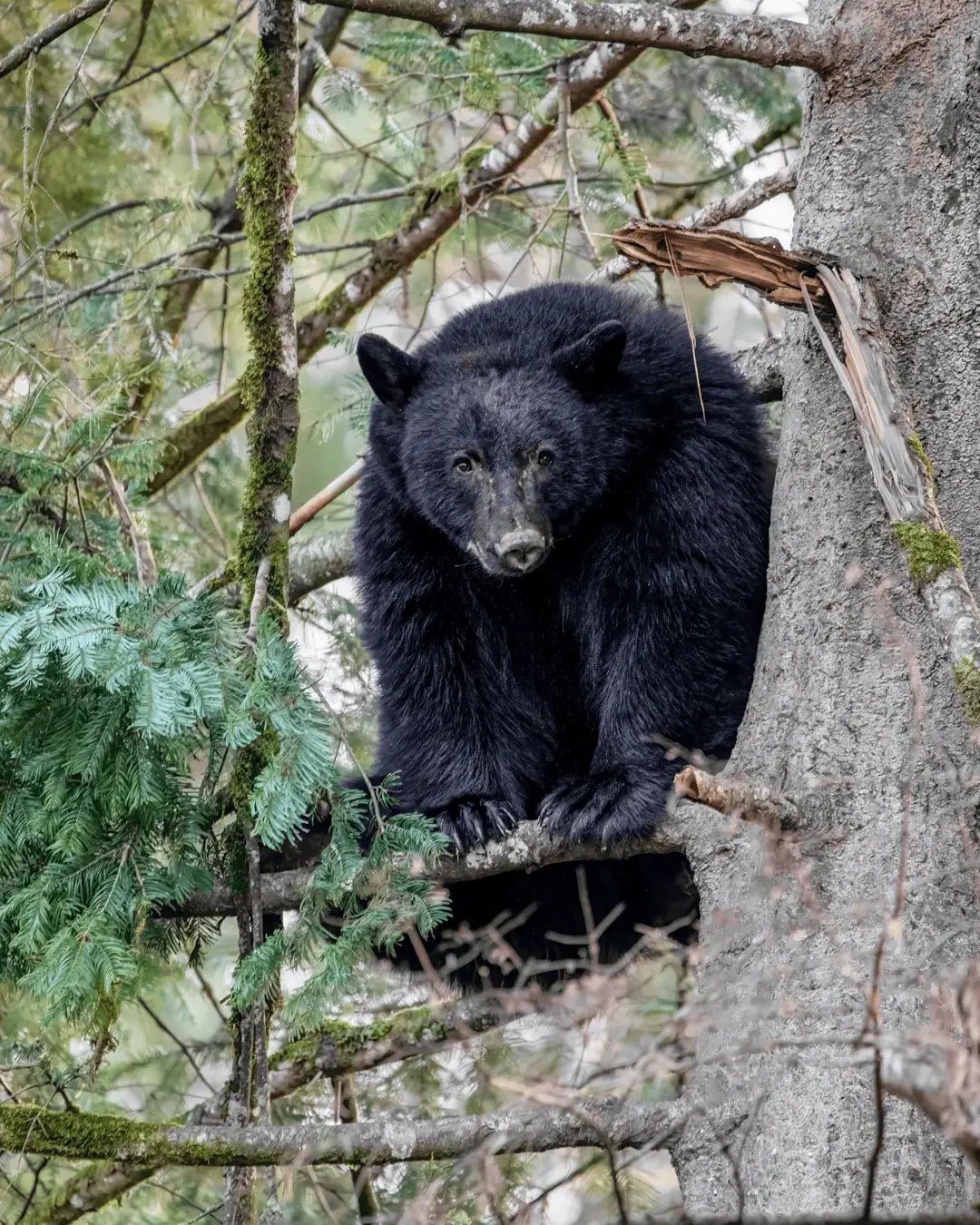
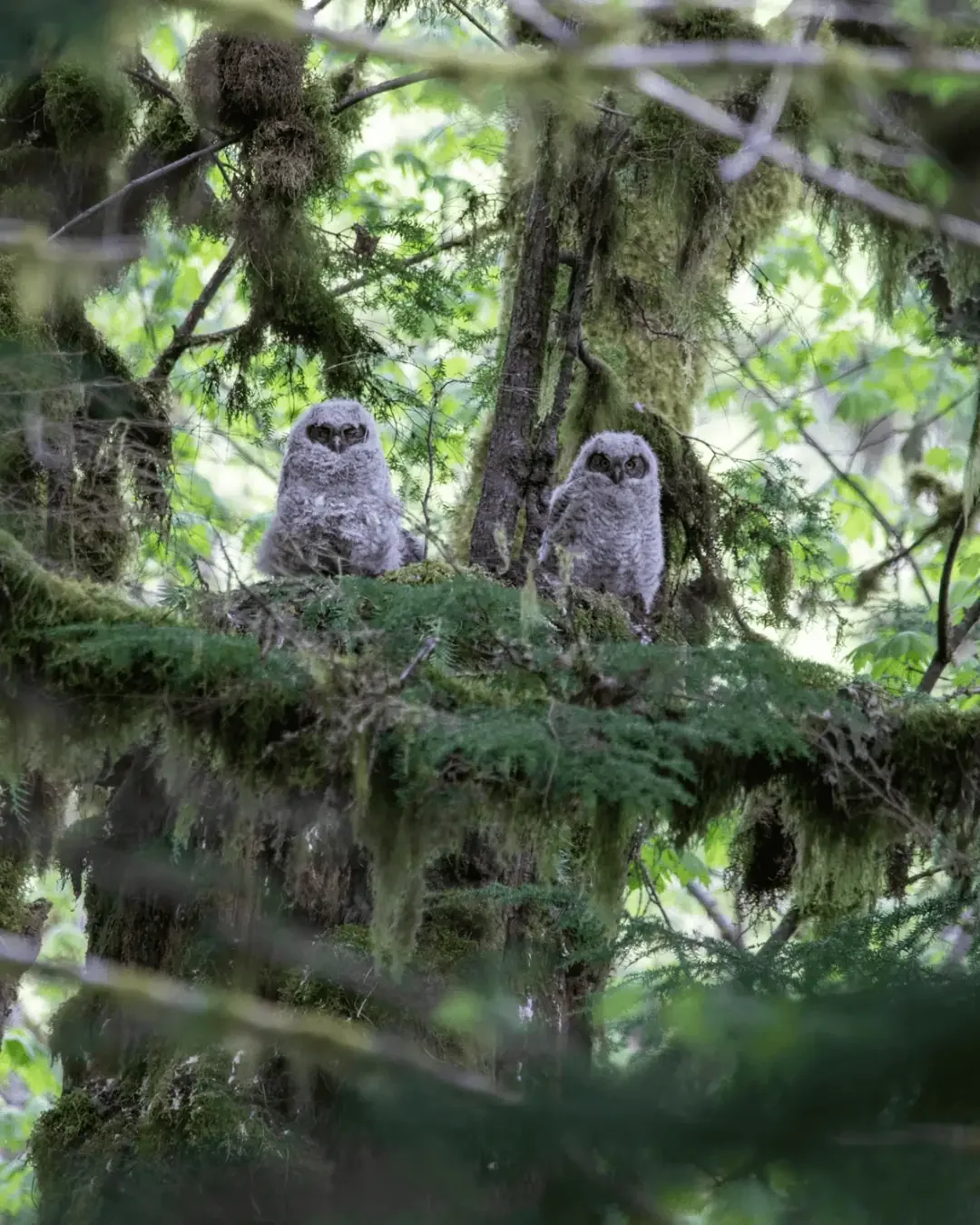
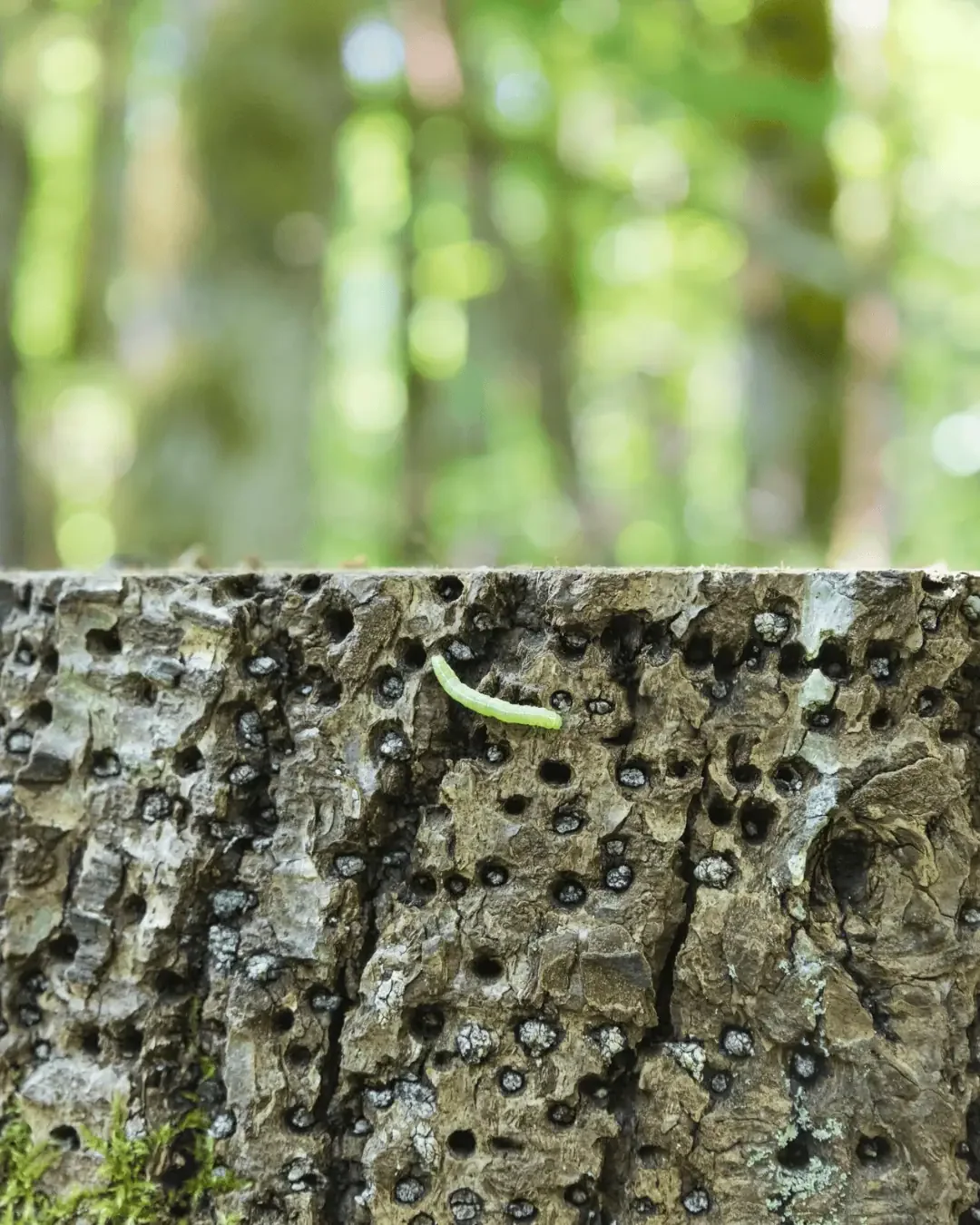
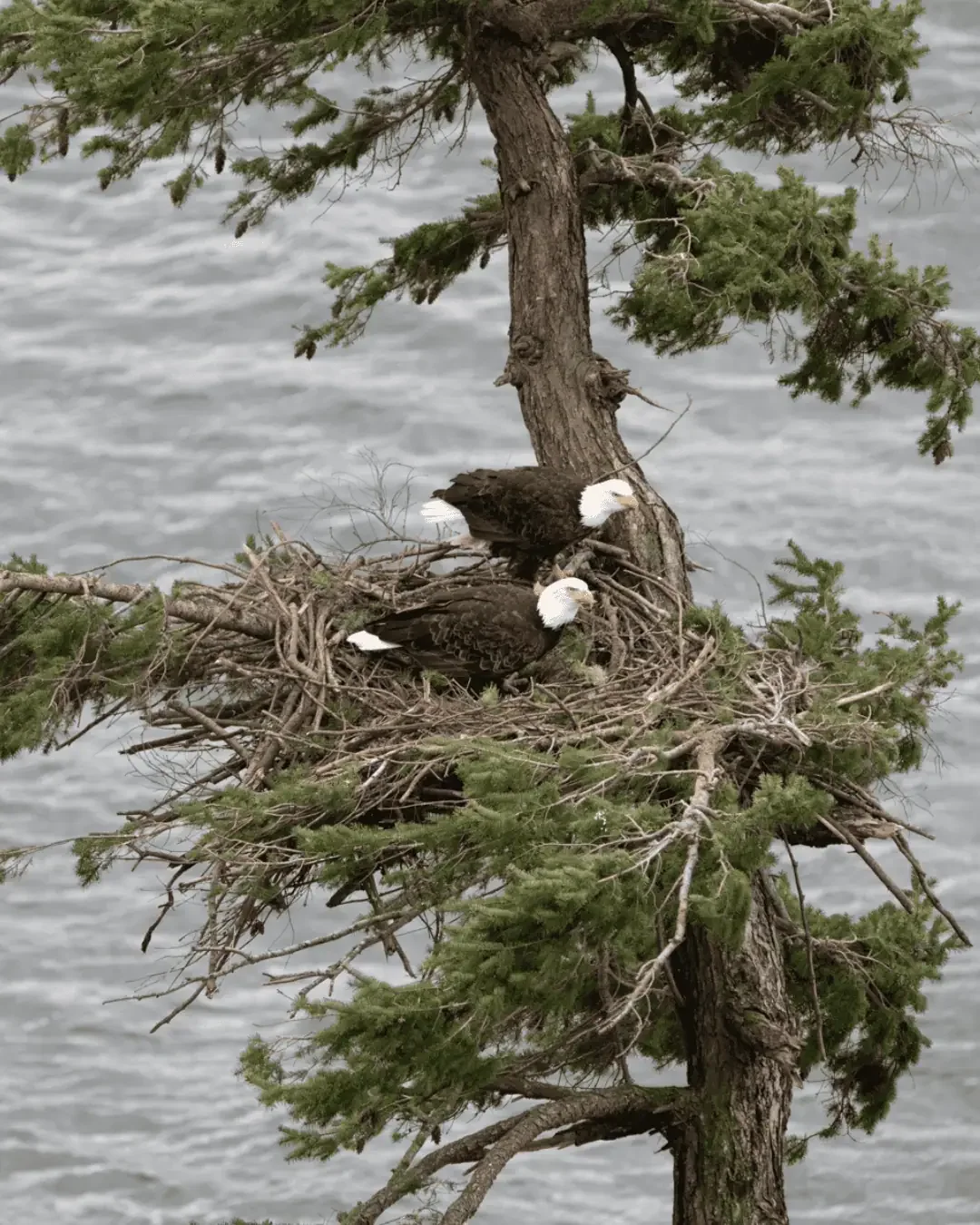
Wildlife trees are standing live or dead trees with features that provide essential habitat for birds, mammals, insects, fungi, and many other organisms. These trees support biodiversity by offering nesting sites, shelter, food, roosting locations, and perches in both forested and urban landscapes.
Why They’re Important
Wildlife tree habitats play a critical role in ecosystems by:
Providing nesting cavities for birds like woodpeckers, ducks, chickadees, owls & more.
Serving as food sources for insects, which in turn feed larger wildlife.
Offering perches and hunting grounds for predators and den sites for mammals.
Supporting fungi and lichens that contribute to nutrient cycling.
Even fallen trees contribute by enriching soil and creating microhabitats.
Threats to Wildlife Trees & How to Protect Them
These habitats are often removed due to safety concerns in residential areas, forest management practices that prioritize timber production over ecosystem health, and lack of awareness over their ecological value.
The best way to protect wildlife trees is often the simplest: leave them standing when it’s safe, and leave fallen trees on the forest floor when possible. These trees continue to provide habitat long after they stop looking like a “healthy” tree. Protecting older trees, planting native species, and supporting wildlife-friendly land management helps ensure these important habitat features remain part of our forests and communities for years to come.
Photos by @jrrtj