
The Importance of Ferns in Forests & Ecosystems
Ferns Are Forest Superheroes
They may look delicate, but ferns are strong plants that are vital to forest health. Their dense, nutrient-rich roots stabilize soil and prevent erosion, particularly in our wet, coastal rainforests. Young trees can benefit from the shade and moisture that ferns provide in understories, giving seedlings a better chance to thrive.
Ferns & Fronds
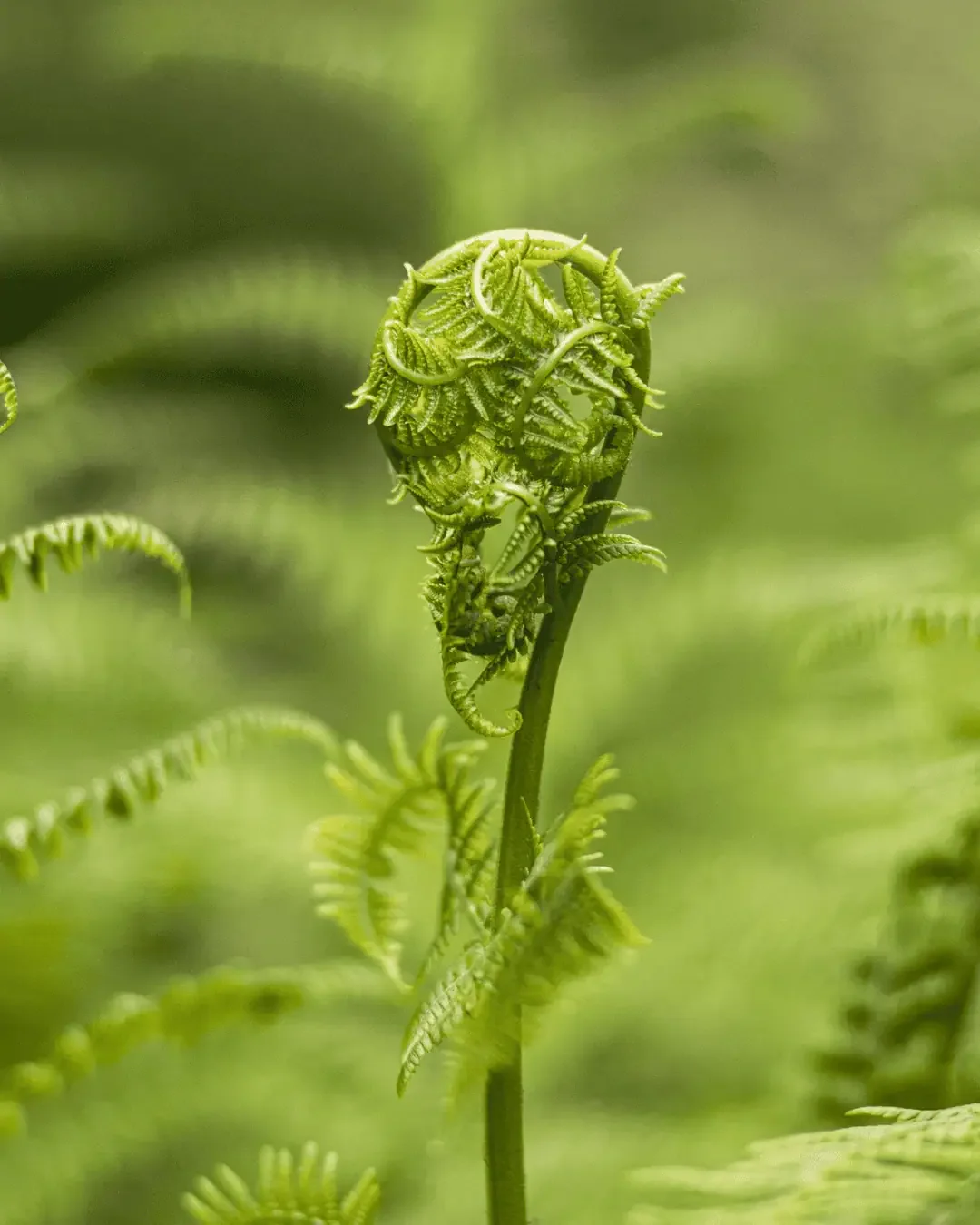
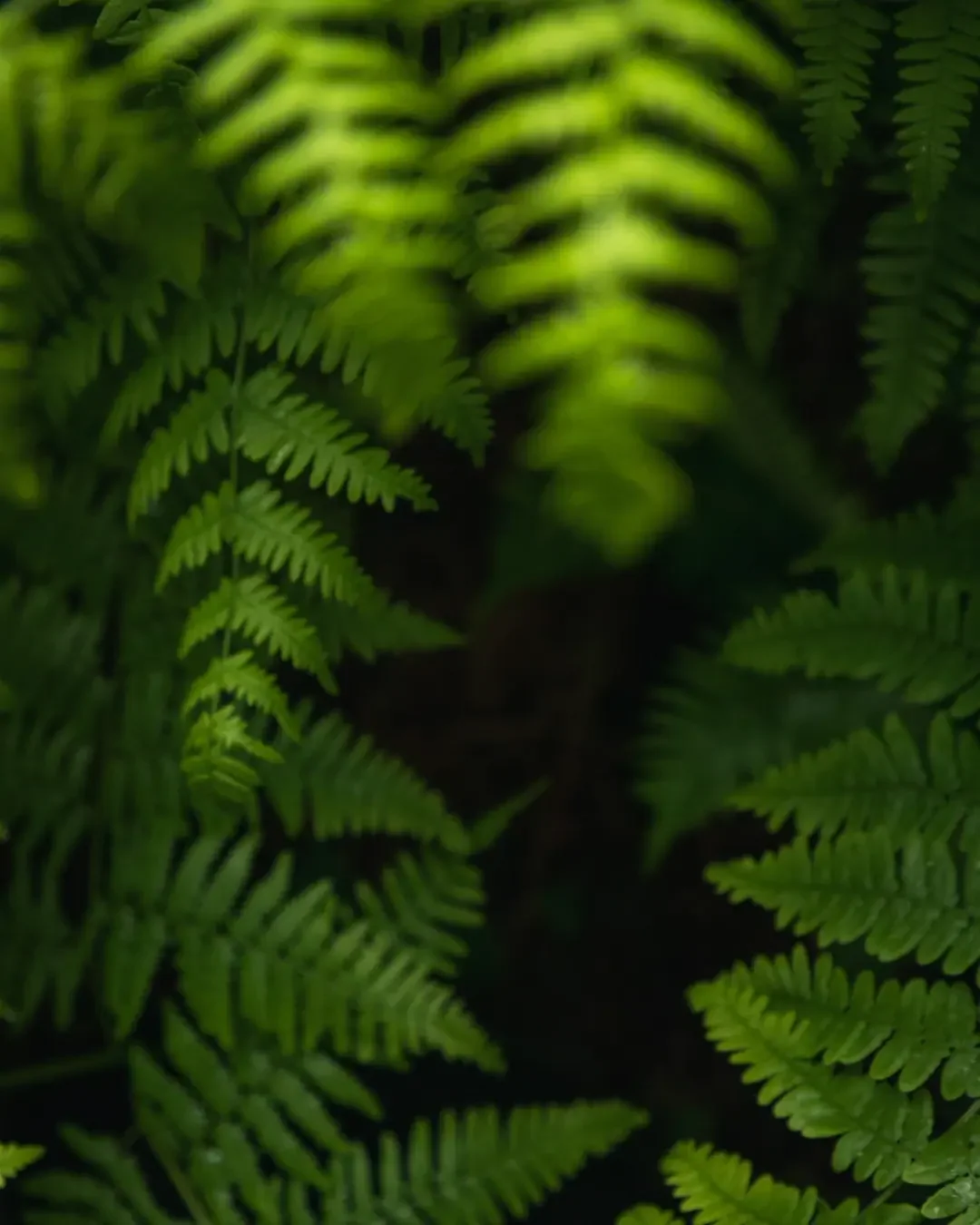
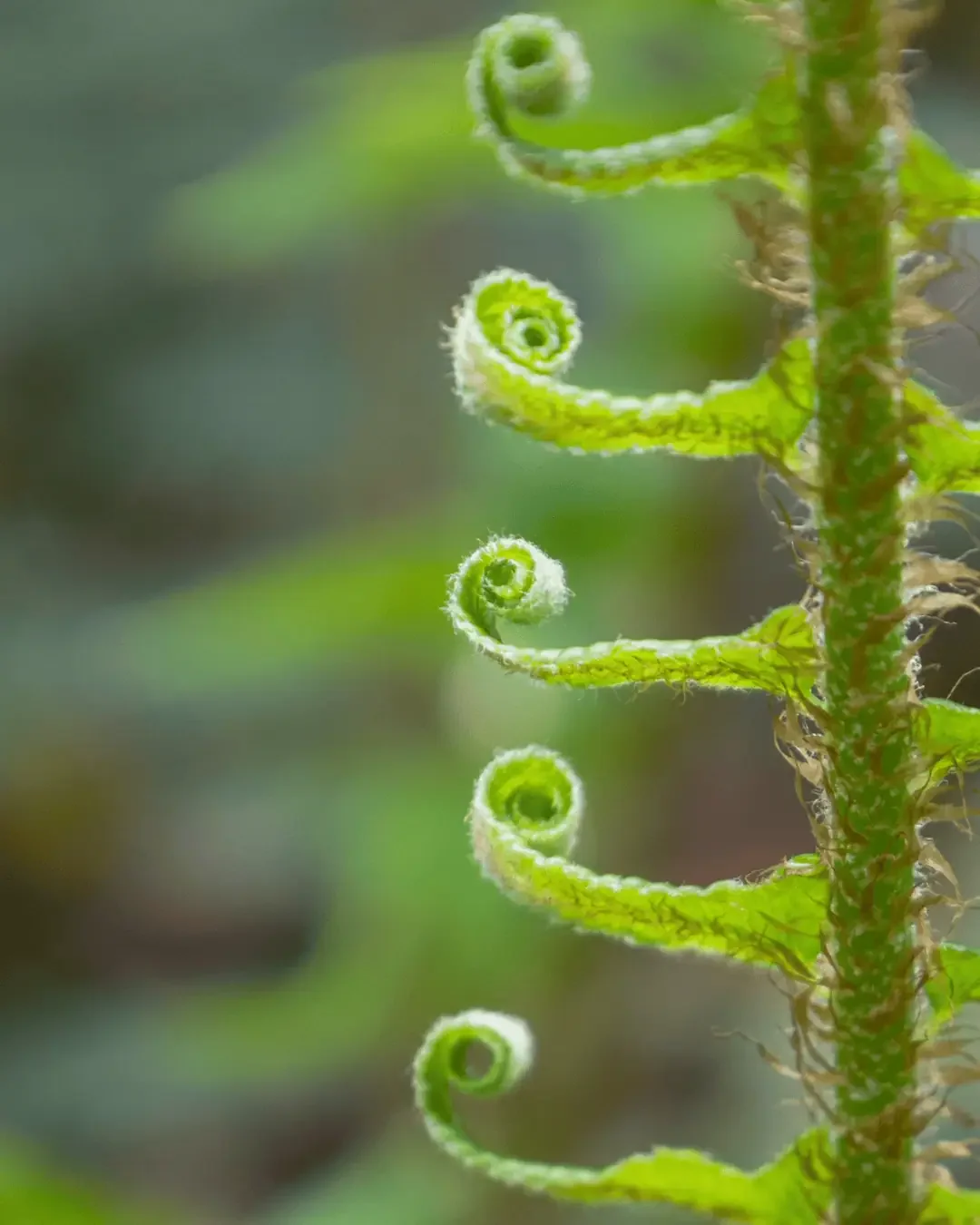
Unlike the leaves of flowering plants, ferns produce fronds - which unfurl from a coiled fiddlehead as they grow, a process called circinate vernation. These fronds typically consist of multiple smaller leaflets called pinnae, arranged along a central stem called the rachis. Depending on the fern species, the level of intricacy of each frond varies.
Food, Medicine & Tradition
In addition to their aesthetic appeal, ferns play a crucial ecological role. They provide shelter for small wildlife, contribute to soil moisture retention, and some species serve as a food source for insects and mammals. Indigenous peoples including the Coast Salish have also relied on ferns for medicine and tools, ranging from cough medicine to tools and baskets.

Ferns of Vancouver Island
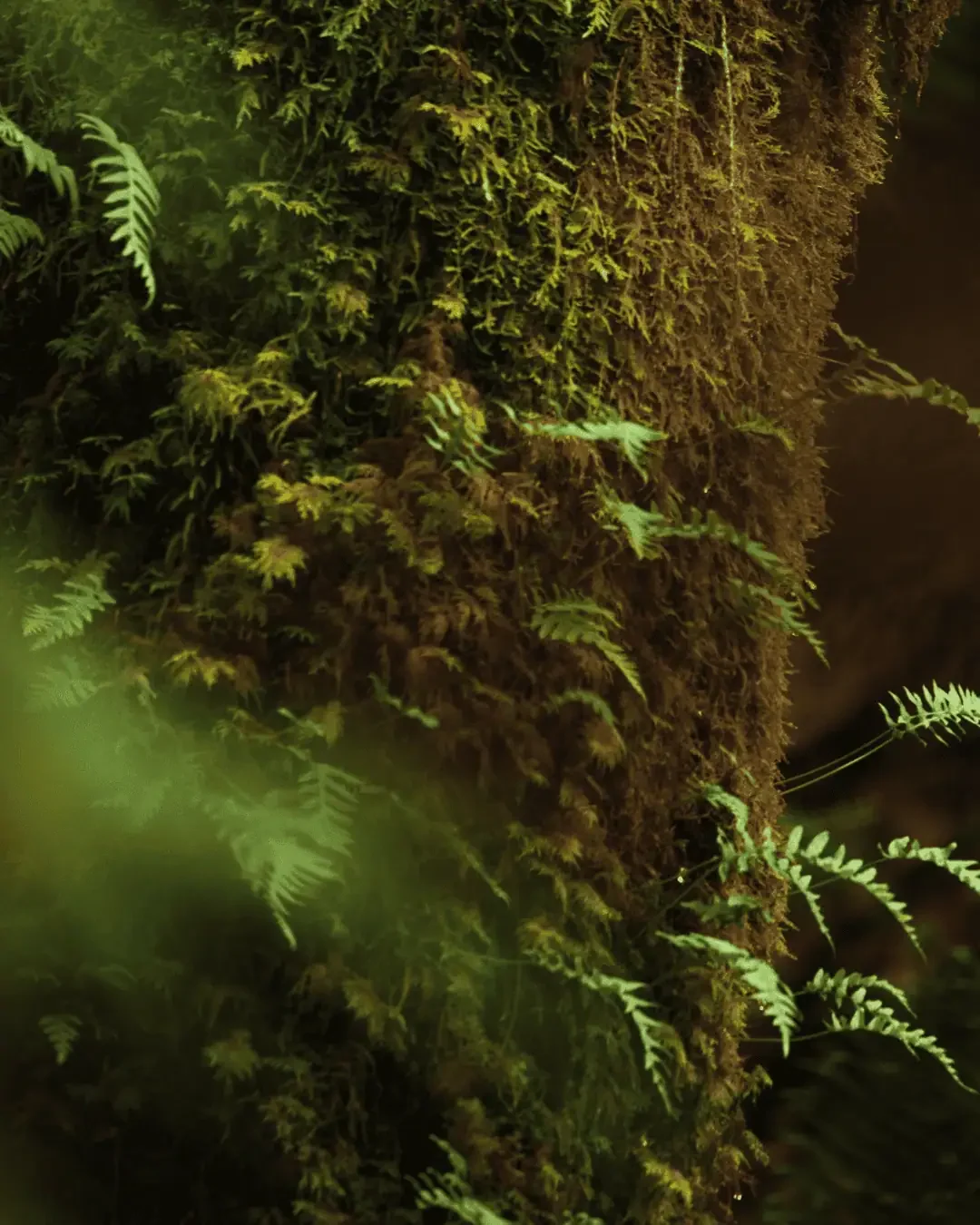
Vancouver Island is home to a rich variety of native ferns that thrive in our temperate rainforests and coastal microclimates. From the towering Sword Fern to the epiphytic Licorice Fern, they grow in everything from sun soaked riverbanks to dim understories of old-growth forests, and all play a vital role in their respective ecosystems.
Ferns on Vancouver Island fall into two categories: evergreen and deciduous. Evergreen ferns, like the Sword Fern and Licorice Fern, keep their fronds year-round, while Deciduous ferns, such as the Lady Fern and Maidenhair Fern, die back in winter but return with fresh growth in spring.
Let Ferns Flourish
To support a balanced ecosystem, let ferns flourish. Native ferns like the Sword Fern and Licorice Fern thrive in Vancouver Island’s climate with minimal care once established. Planting them in your garden adds year-round greenery, improves soil health, and creates habitat for birds, insects, and small mammals. Avoid invasive species like English Ivy, which can smother ferns and other native plants, as well as disrupt local ecosystems.
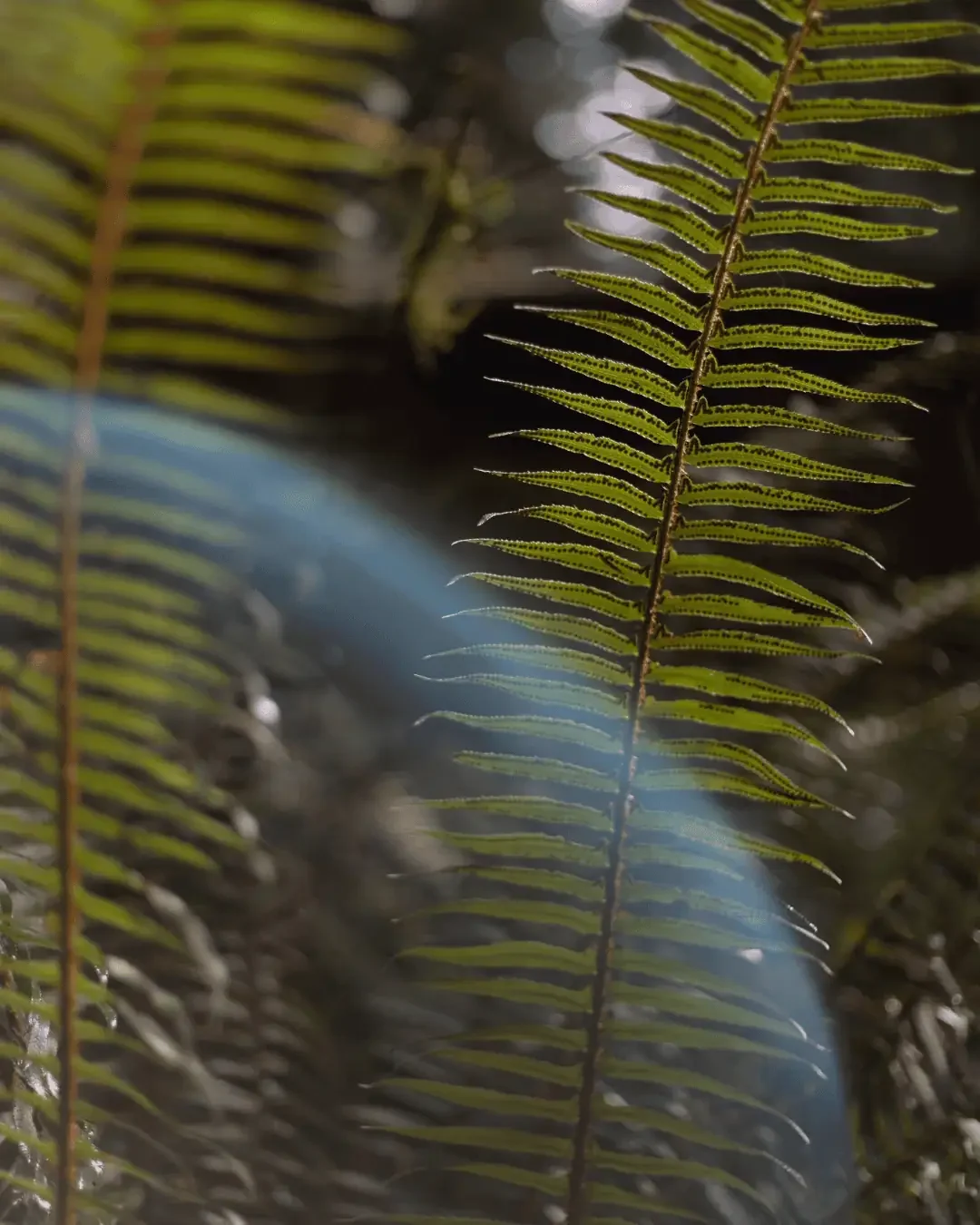
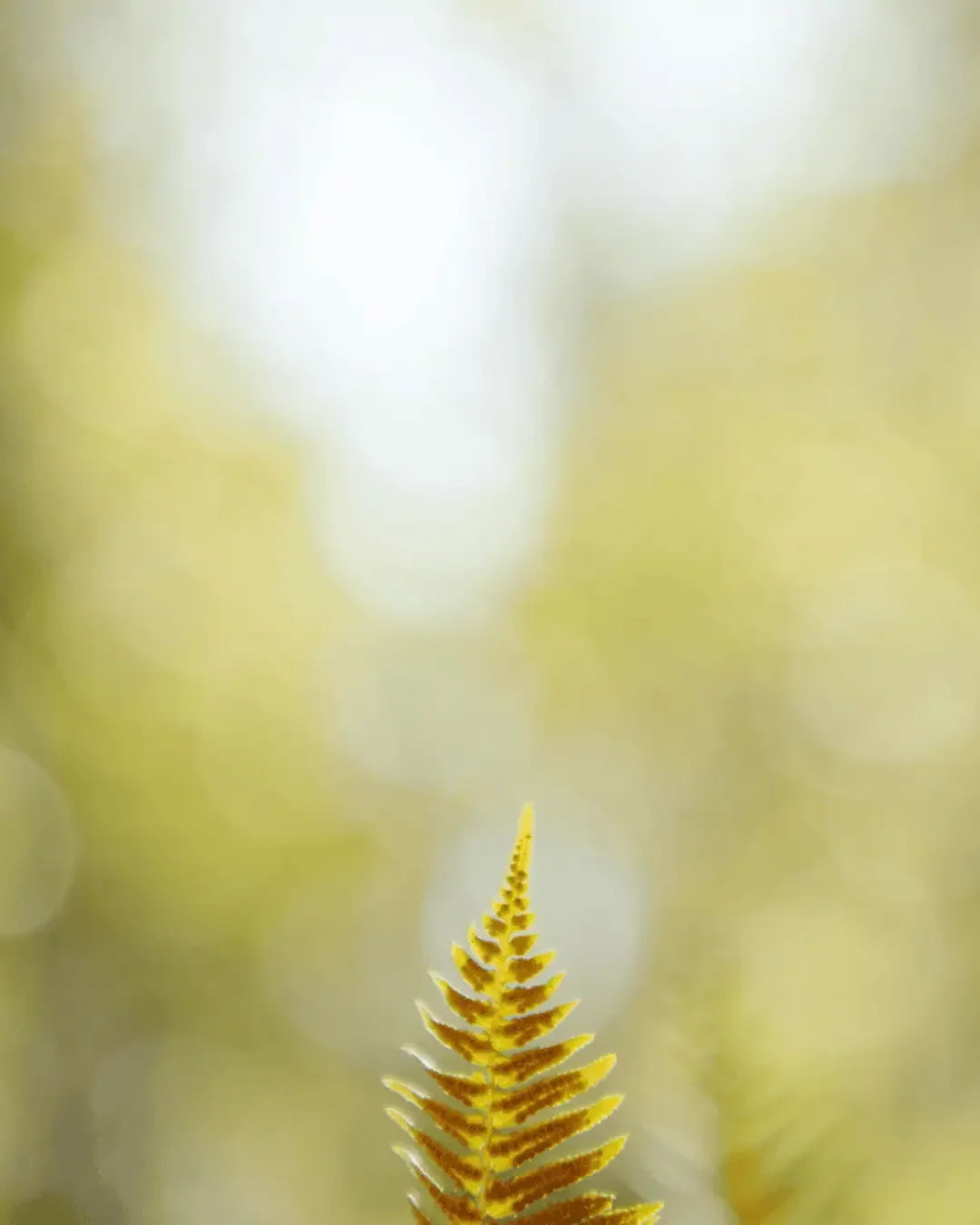
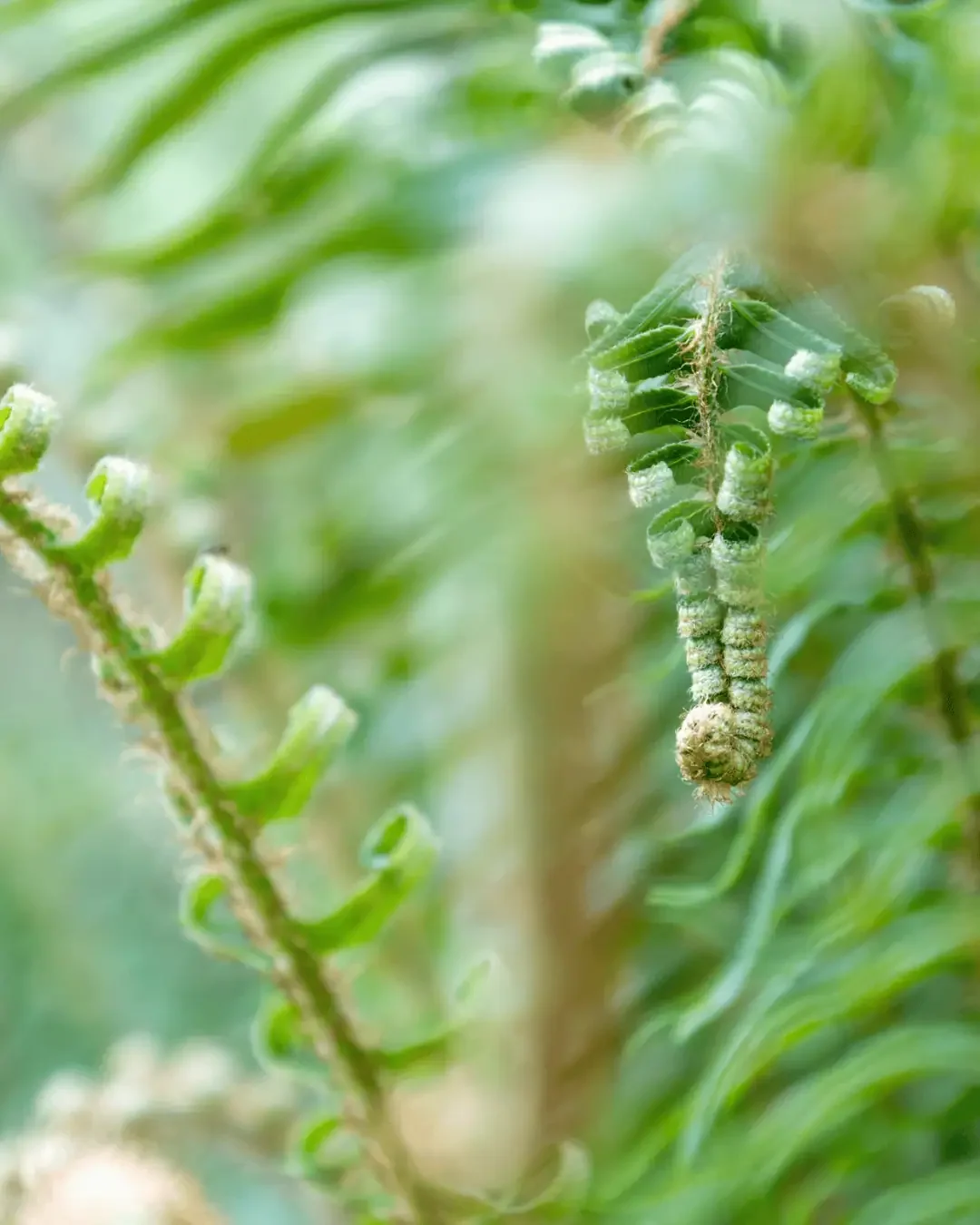
Photos by @jrrtj