Native Trees of Coastal BC: Coastal Douglas Fir
The Coastal Douglas Fir (Pseudotsuga menziesii var. menziesii)
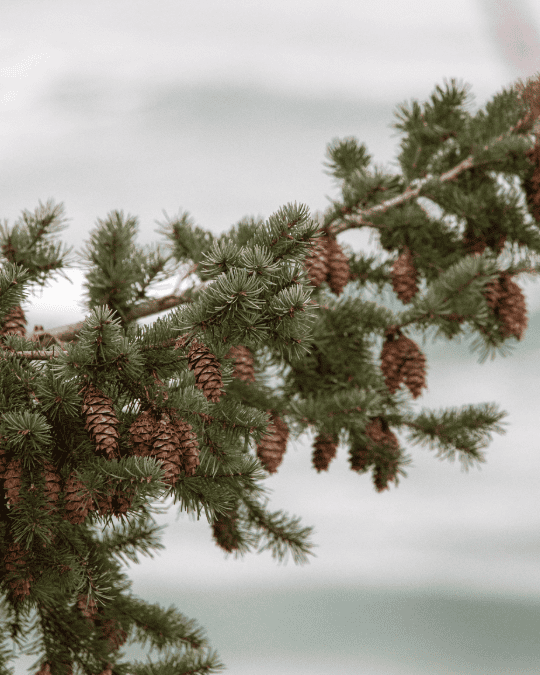
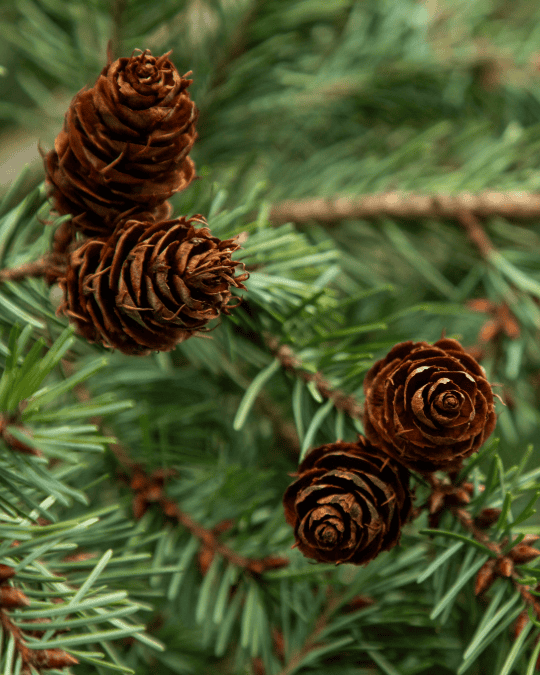
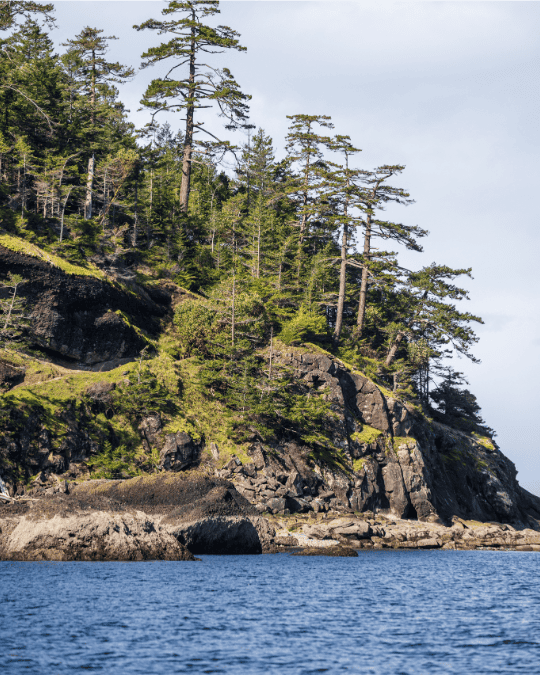
The Coastal Douglas-fir (Pseudotsuga menziesii var. menziesii) is one of the defining trees of British Columbia’s coastal forests, and one of the most impressive trees on Vancouver Island.
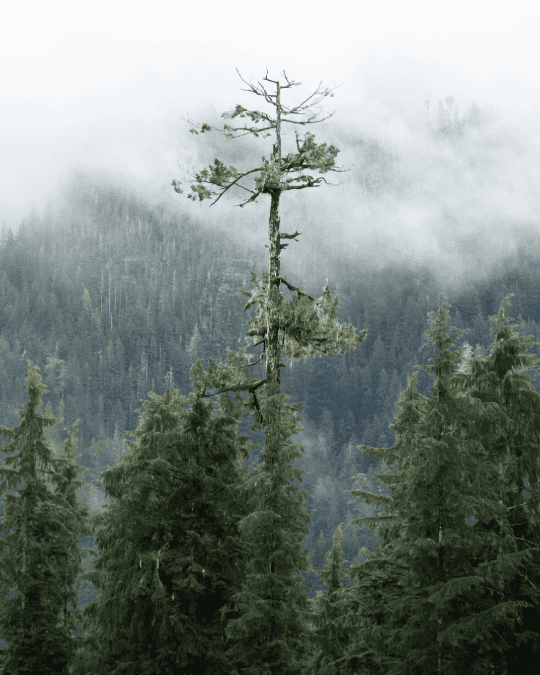
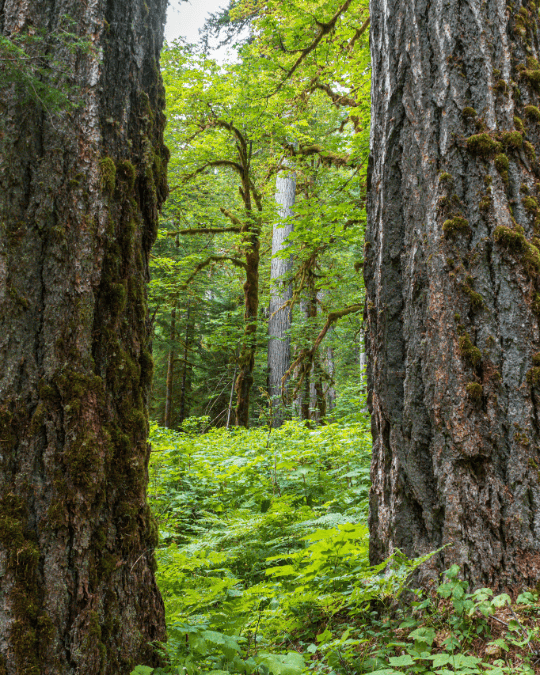
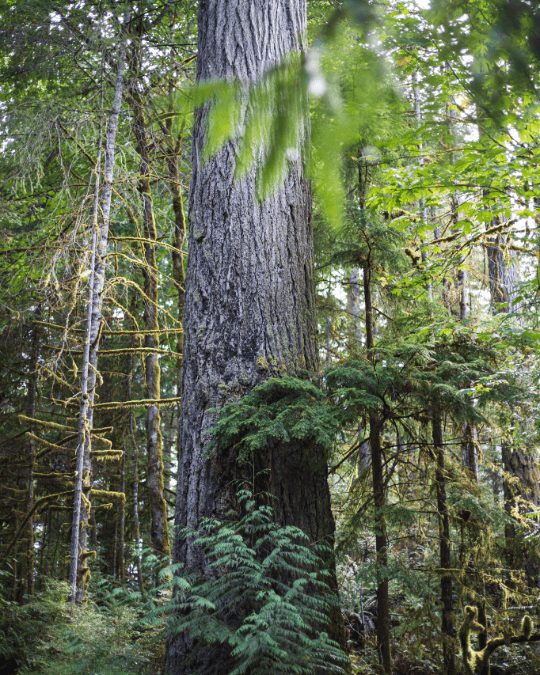
These giants routinely reach 250 feet (76 m) tall and 5–7 feet (1.5–2.1 m) in diameter, with exceptional trees exceeding 300 feet (91 m). They can live for 500 years or more, and have been known to live for over 1,000 years.
Adaptable Ancient Giants
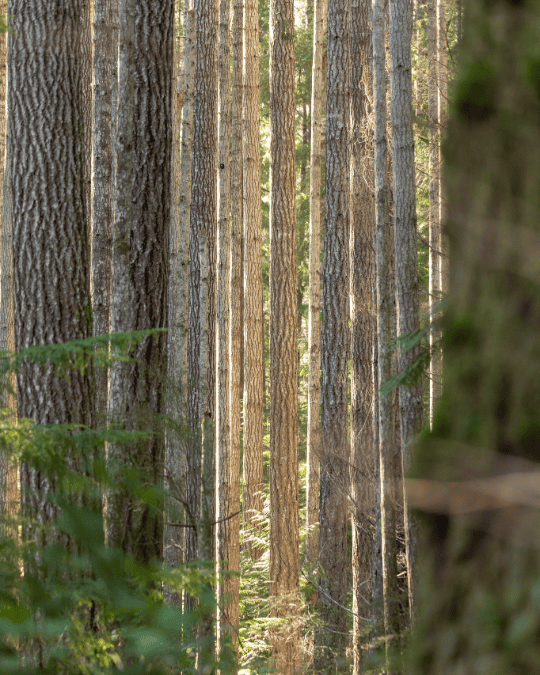
Adapted to the island’s mild, wet climate, Douglas-firs can thrive in both open sunlight and shaded forest understories. Their towering canopies shape the forests around them, while their massive trunks provide habitat for countless species.
For centuries, these trees have been growing alongside the forests, rivers, and communities of Vancouver Island. They are a defining feature of Coastal British Columbia's landscapes.
Two Botanists, Two Legacies
Archibald Menzies was a Scottish botanist and naval surgeon who collected the species during the Vancouver Expedition in the early 1790s, and his legacy lives on in the scientific name - Pseudotsuga menziesii.
David Douglas was a Scottish botanist and plant collector who, in 1825, collected the species and introduced its seeds to Britain, helping bring the tree into cultivation outside its native range. His name became the tree's common name - Douglas-fir.
Ecological Benefits
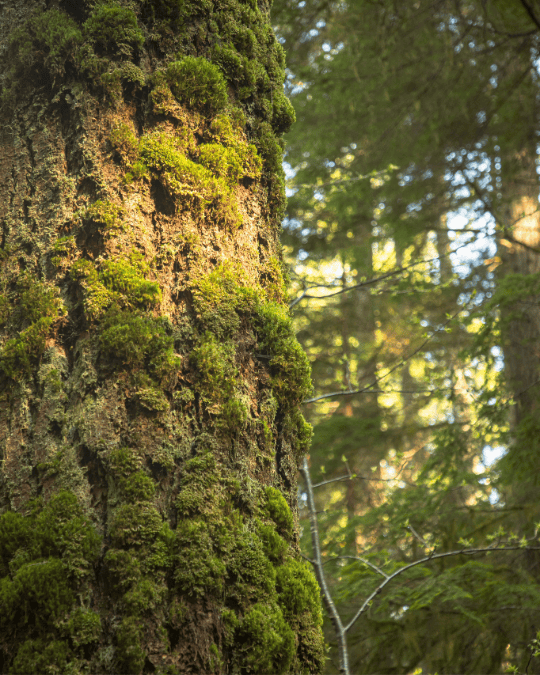
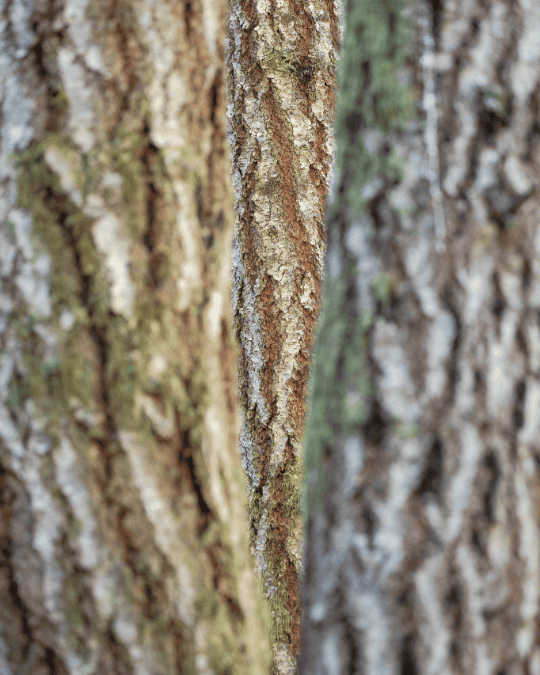
The Coastal Douglas-fir is the backbone of coastal forests. Its massive trunks, bark, and cavities offer shelter and food for birds, mammals, insects, and other creatures. Its roots partner with mycorrhizal fungi to access water and nutrients, enriching the soil, while its canopy intercepts rainfall and helps regulate moisture and runoff. Their size and longevity able them to store vast amounts of carbon for centuries, and even after death, they become nurse logs, nurturing new life. A single old Douglas-fir can be a thriving ecosystem in itself.
Human Uses & Culture
For thousands of years, Indigenous peoples of coastal BC have used Douglas-fir for canoes, homes, tools, fuel, and other cultural purposes, drawing on the strength and versatility of the tree. As European settlement and the forestry industry grew, its durable timber became central to the development of Vancouver Island and BC, used for buildings, bridges, wharves, ships, and railways. Today, it remains one of BC's most important commercial trees, producing structural lumber, plywood, poles, engineered wood products, and pulp.
Threats to Douglas Fir
Douglas-fir forests have always faced insects, disease, fire, and other natural threats, but the concern today is how multiple pressures can interact and intensify.
Pests like the Douglas-fir beetle and fungal pathogens, including the fungus responsible for laminated root rot, can weaken or kill trees, especially those already under stress. Other forms of fungal decay can also slowly break down wood, compromising a tree’s structural strength over time.
Wildfire, though something these trees can tolerate better than some coastal species, can kill mature trees and alter forest regeneration when severe or repeated. Hotter, drier conditions place trees under water stress and can increase their vulnerability to insects, disease, and fire.
Wind and storms can uproot or break even mature giants, particularly along exposed forest edges. Habitat loss and fragmentation is also a concern, as development and forest conversion have reduced and fragmented much of the old coastal Douglas-fir ecosystem.
Protection & Stewardship
Coastal Douglas-fir forests are part of the ecological and environmental fabric of coastal BC, supporting life, protecting soils and water, and shaping forests around them. Conservation and thoughtful forest management can help forests adapt to increasing pressures from drought, wildfire, pests, and disease. Individuals and homeowners can care for Douglas-firs by avoiding soil compaction and protecting bark from extensive damage. They generally thrive with minimal intervention, however pruning may be needed for dead or hazardous branches.
A Tree Worth Cherishing
The Coastal Douglas-fir is special not simply because of how big, old, or beautiful it can become, but because of everything that depends on it. It is a symbol of endurance, a foundation for biodiversity, and a living connection between people, forests, and centuries of history. These trees provide shade, greenery, habitat, carbon storage, and countless other benefits to the ecosystems and communities around them. To appreciate a Douglas-fir is to appreciate the forest it creates, the life it supports, and the generations it can outlive.
Photos by @jrrtj